An international network with complementary strengths
Our network brings together 13 partners from across Europe and beyond to address the challenges of leukodystrophy therapy development from multiple perspectives.
By combining scientific, clinical, regulatory, industrial and patient-centred expertise, POLARIS creates a unique environment for collaboration, training and innovation.
Click on the highlighted countries to meet our partners!
Coordinating team
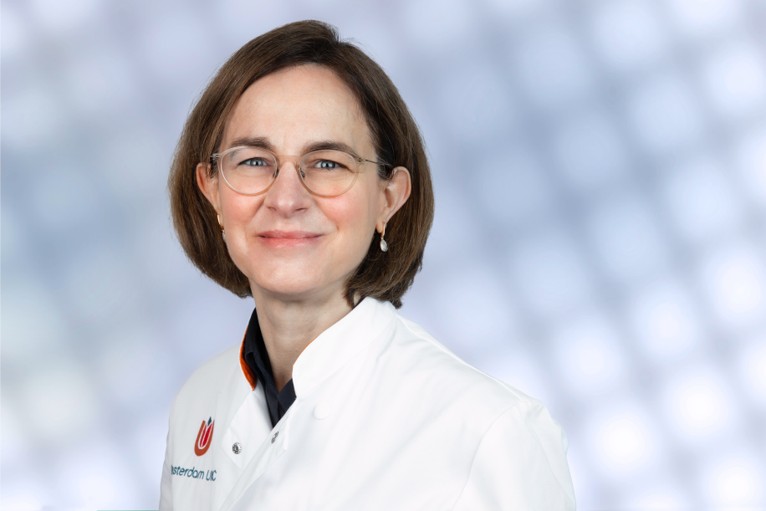
Nicole Wolf
Nicole Wolf
Nicole Wolf is a child neurologist and head of the Amsterdam Leukodystrophy Center (ALC). Her main research interests are metachromatic leukodystrophy and hypomyelinating leukodystrophies, including pathophysiology, treatment mechanisms and (para)clinical outcome measures including MRI and body fluid biomarkers. For several years now, she is actively involved in clinical trials for leukodystrophies, testing novel treatments, and also in enabling access to highly specialized treatments. As leukodystrophies are (ultra)rare diseases, international collaboration is essential and a mainstay of her daily work. Her main contribution to POLARIS is connecting clinical needs and questions to the tools of laboratory researchers.
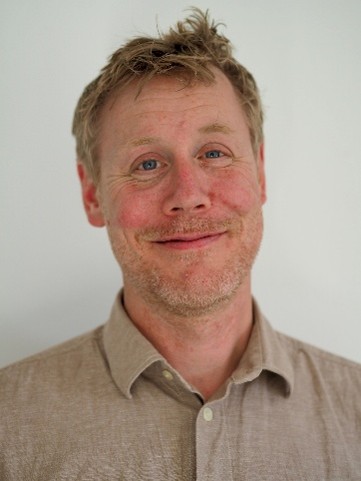
Rogier Min
Rogier Min
Rogier Min is a cellular neuroscientist and group leader at the Amsterdam Leukodystrophy Center, Amsterdam UMC. His research focuses on leukodystrophies in which brain fluid balance is disturbed, especially megalencephalic leukoencephalopathy with subcortical cysts (MLC). MLC and related disorders often result from dysfunction of astrocytes, supportive glial cells that maintain brain homeostasis. His group studies how impaired astrocyte ion, water and volume regulation contributes to white matter edema and disease. He combines patient genetics with mouse models, cell culture, electrophysiology and advanced imaging. Within POLARIS, he contributes expertise in leukodystrophy models, disease mechanisms, preclinical therapy development and translational strategy.
Niek van Til
Niek van Til
Dr. Niek P. van Til is an Assistant Professor at Amsterdam Leukodystrophy Center, Amsterdam UMC, specializing in gene and cell therapy for rare neurological and metabolic disorders. With more than 20 years of experience in translational gene therapy research, his work focuses on developing innovative treatments for leukodystrophies using adeno-associated viral (AAV) vectors, hematopoietic stem cell gene therapy, and genome editing technologies. He leads preclinical programs aimed at advancing personalized therapies for currently incurable genetic diseases.
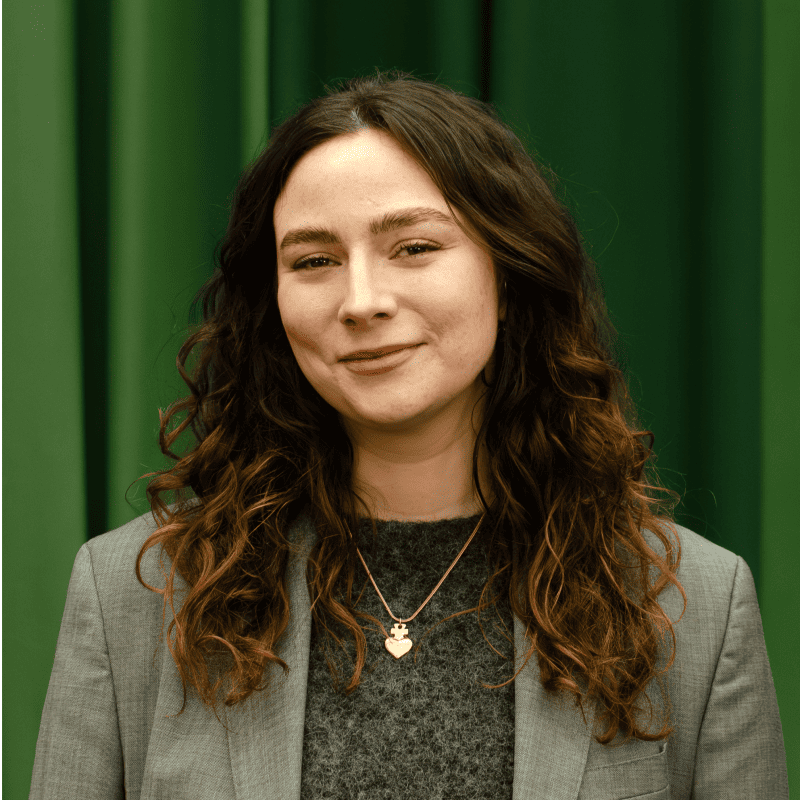
Libby Miller
Libby Miller
As Project Manager for POLARIS, Libby is responsible for the day-to-day management of the programme, supporting the project coordinator and consortium partners throughout the project lifecycle. This includes financial and administrative management, ensuring compliance with EU regulations, funder communications, and organising network meetings and training events. Libby joined Amsterdam UMC’s Research Grant Support team in September 2026, bringing extensive experience in scientific research support, event management, and grant acquisition. She previously worked at the Amsterdam Institute for Global Health and Development, where she specialised in proposal development and project preparation.
Our supervisors
Our supervisors are leading experts in their respective fields, with strong track records in research, innovation and PhD training. Get to know them better!
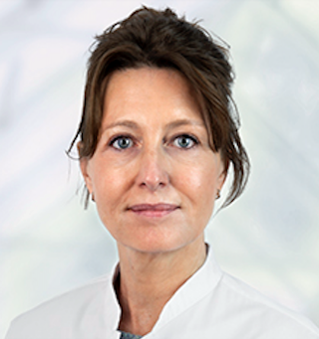
Carla E.M. Hollak
Carla E.M. Hollak
Carla Hollak is Professor of ‘Medicines and Society’ at the University of Amsterdam. She established the department for adult metabolic diseases at Amsterdam UMC. Her research initially focused on both lysosomal storage disorders, including the rational use of new therapies. Her experience with medicines for rare diseases formed the basis for launching the ‘Medicijn voor de Maatschappij’ (Medicine for Society) platform, which promotes academic drug development and accessibility through scientific research and societal translation. This initiative has recently been continued through the establishment of the RARE-NL foundation, of which she is the chair. She serves on various advisory committees and is a member of the Royal Netherlands Academy of Arts and Sciences.

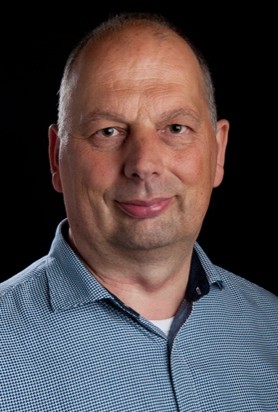
Rob Leurs
Rob Leurs
Rob Leurs is Professor of Medicinal Chemistry at Vrije Universiteit Amsterdam and an internationally recognized expert in G protein-coupled receptor (GPCR) pharmacology and drug discovery. His research focuses on understanding the molecular mechanisms that govern GPCR activation, signaling and ligand recognition, with particular expertise in histamine receptors and other aminergic and chemokine receptors. His group integrates medicinal chemistry, molecular pharmacology, structural modelling, receptor mutagenesis and advanced biosensor technologies to develop and characterize novel GPCR ligands. This work includes studies of constitutive activity, biased signaling, ligand-binding kinetics and photopharmacological control of receptor function. Within POLARIS, he contributes expertise in GPCR biology, pharmacological assay development, chemical-probe design and the translation of receptor mechanisms into therapeutic strategies.
Henry Vischer
Henry Vischer
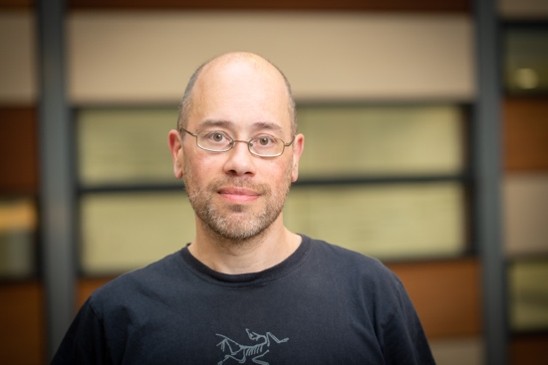
Henry Vischer is a molecular pharmacologist and leading the molecular pharmacology group in the division Medicinal Chemistry at the Vrije Universiteit Amsterdam. His research focuses on the molecular pharmacology and cellular biology of G protein-coupled receptors by developing multidimensional bioluminescent and fluorescent biosensor assays to identify and characterize bioactive molecules such as small chemical compounds and biologics to modulate therapeutically relevant GPCRs. His team uses cell-based assays to investigate biased agonism, GPCR-interacting proteins, receptor trafficking and oligomerization. Within POLARIS, he contributes expertise in molecular receptor pharmacology, GPCR signaling, biosensor-based assay development and high-throughput screening.
Samuel Groeschel
Samuel Groeschel
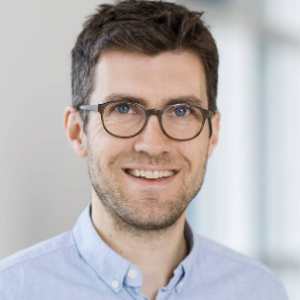
Samuel Groeschel is associate professor in pediatric neurology and leukodystrophy expert at the University Hospital Tübingen (UKT), Eberhard-Karls University Tübingen. His clinical and research focus centers on rare white matter disorders, where he is actively involved in disease registries, clinical trials, and coordinating the European leukodystrophy group within the European Reference Network for Rare Neurological Diseases (ERN-RND). Within POLARIS, he serves as supervisor for DC 13, leading the direct training and supervision in cooperation with the Department of Neurology in Tübingen, the Anna Freud Center / UCL London and the University of Oulu, Finland.
Hendrik Rosewich
Hendrik Rosewich
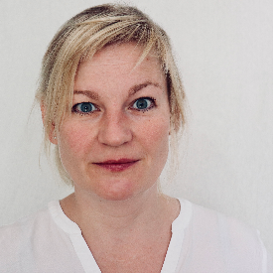
Lucia Laugwitz
Lucia Laugwitz
Lucia Laugwitz is a clinician scientist and child neurologist in training at the Department of Neuropediatrics, University Hospital Tübingen. Her work focuses on leukodystrophies and lysosomal neurodegenerative diseases, especially MLD, combining clinical care with newborn screening, biomarker development, genotype-phenotype stratification and gene-therapy follow-up. She has contributed to European consensus recommendations on MLD newborn screening and clinical management and leads translational studies linking early diagnosis to treatment outcomes. Within POLARIS, she supervises DC14 and contributes expertise in pediatric MLD, screening and translational biomarkers.
Elena Ambrosini
Elena Ambrosini
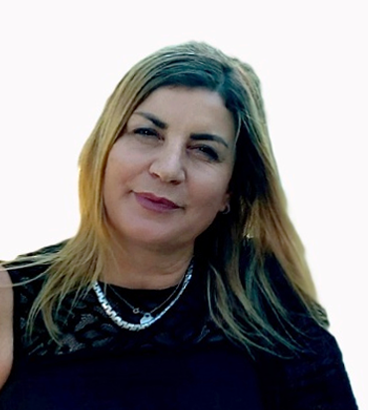
Elena Ambrosini is a neurobiologist and biotechnologist, Senior Researcher and Group Leader in the Department of Neuroscience at the Italian National Institute of Health (ISS), Rome, Italy. Her research focuses on astrocytes, the glial cells responsible for maintaining brain homeostasis, and their role in demyelinating and rare neurological disorders, particularly megalencephalic leukoencephalopathy with subcortical cysts (MLC). Using innovative patient-derived 2D and 3D human cellular models, her group investigates the molecular mechanisms underlying MLC to identify molecular targets and develop possible therapeutic approaches. Within the POLARIS project, she will lead the development and validation of human disease models, support target discovery and preclinical therapeutic studies, and contribute to the scientific supervision and training of PhD candidates.
Maria Stefania Brignone
Maria Stefania Brignone
Angela Lanciotti
Angela Lanciotti
Angela Lanciotti is a Researcher in the Department of Neurosciences at the Italian National Institute of Health (ISS), Rome. As a cellular biologist, she develops disease models for Megalencephalic Leukoencephalopathy with Subcortical Cysts (MLC). Her research focuses on generating and maintaining induced pluripotent stem cells (iPSCs) and developing human brain cellular models, including iPSC-derived astrocytes and brain organoids from healthy donors and MLC patients. She integrates these models with functional assays and imaging approaches for pharmacological compound screening. Within the POLARIS project, she will contribute to disease model development, data collection, and data analysis.

Fanny Mochel
Fanny Mochel
Prof. Mochel is the head of the Adult Leukodystrophy Reference Center in Paris (BrainTeam Rare Disease Network) and the Reference Center for Adult Neurometabolic Diseases in Paris (G2M Rare Disease Network). She co-leads a research team with Violetta Zujovic at the Brain Institute (ICM) entitled “Immunity, Metabolism, and Neurodegeneration.” Prof. Mochel’s research focuses on developing new therapies (small molecules, bone marrow transplantation) as well as diagnostic and therapeutic biomarkers for leukodystrophies and hereditary neurometabolic diseases. She coordinates multidisciplinary consultation meetings (RCP) on adult white matter diseases and adrenoleukodystrophy in France and has launched a therapeutic education program (ETP) for patients with adrenoleukodystrophy. Prof. Mochel also heads the Teaching Department of Genetics at Sorbonne University and coordinates several educational programs in France and abroad (Society for the Study of Inborn Errors of Metabolism) on leukodystrophies and hereditary neurometabolic diseases.
Caroline Sevin
Caroline Sevin
Dr. Caroline Sevin is a pediatric neurologist at Kremlin-Bicêtre Hospital (AP-HP, Paris-Saclay University), France, and Director of the French National Reference Center for Pediatric Leukodystrophies. She is an internationally recognized expert in inherited neurodegenerative disorders, with a particular focus on X-linked adrenoleukodystrophy (ALD), metachromatic leukodystrophy (MLD), and Krabbe disease. She leads one of the largest French pediatric ALD cohorts, enabling natural history studies, MRI and biomarker research, and therapeutic evaluation. She is a member of international ALD and MLD consortia and serves as PI or co-PI in several clinical trials of gene therapy, intrathecal enzyme replacement therapy, and small-molecule therapies. Her research is dedicated to developing innovative therapies for leukodystrophies, with a focus on in vivo and ex vivo gene therapy and small-molecule approaches.
Hemmo Yska
Hemmo Yska
Hemmo Yska is a medical doctor – clinical researcher, originally from the Netherlands. He holds a PhD in pediatric neurology, which focused on the disease adrenoleukodystrophy. At the Paris Brain Institute, he primarily focuses on clinical research and the use of (research) MRI in leukodystrophies, with special attention for adrenoleukodystrophy and CSF1R-related disorder. Within POLARIS, he will contribute to the daily supervision of PhD students.
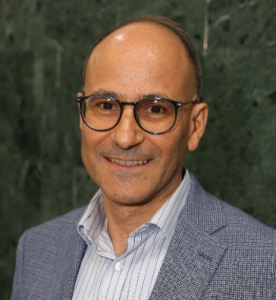
Kleopas A. Kleopa
Kleopas A. Kleopa
Professor Kleopa leads the Neuroscience Department and provides multidisciplinary care through the Neuromuscular Disorders Centre at the Cyprus Institute of Neurology and Genetics. His translational research has advanced understanding of neurogenetic, neuroinflammatory, and neuromuscular disorders and contributed to innovative gene therapies for inherited neuropathies and leukodystrophies. He has published more than 140 scientific papers and received major distinctions, including the European Academy of Neurology (EAN) Investigator Award and National Distinguished Researcher Award. Professor Kleopa serves on the Board of the Peripheral Nerve Society, co-chairs the EAN Scientific Panel on Neuropathies, and holds leadership roles in several international research and patient advocacy organizations.
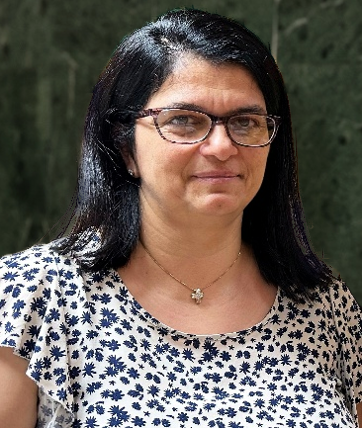
Irene Sargannidou
Irene Sargannidou
Irene Sargiannidou is an Associate Scientist and Professor at the Cyprus Institute of Neurology and Genetics with extensive expertise in molecular neuroscience, neuroimaging, and gene therapy. Her research has focused on elucidating the molecular mechanisms of connexin32 mutations causing X-linked Charcot-Marie-Tooth disease (CMT1X). She generated the first transgenic mouse models expressing representative CMT1X mutations in both central and peripheral myelinating cells. She successfully led a novel Schwann cell-targeted gene therapy project, resulting in a patent application, peer-reviewed publications, and competitive research proposals. She has substantial experience in project management and will provide expert guidance, supervision, and support to ensure the PhD student’s success.

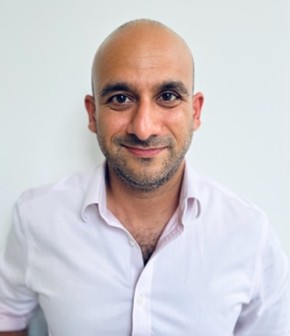
Ahad A. Rahim
Ahad A. Rahim
Ahad Rahim is Professor of Translational Neuroscience and Head of the Pharmacology Research Department at the UCL School of Pharmacy. He leads a research programme focused on debilitating paediatric neurodegenerative and neurometabolic disorders. His research combines disease modelling with the development and pre-clinical evaluation of various therapeutic approaches, including viral and non-viral gene therapy, small molecule drugs and GLP1 based medicines. Professor Rahim’s work has a strong translational focus, involving collaboration with clinicians, regulatory agencies and patient family organisations to advance promising therapies from laboratory studies towards clinical application. He is also the Director of the UCL NeuroGTx Viral Vector Facility and co-founded a genetic therapies company.
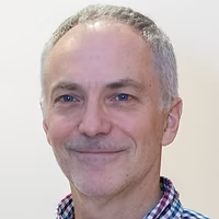
Steven L. Hart
Steven L. Hart
Stephen L. Hart is Professor of Molecular Genetics at the UCL Great Ormond Street Institute of Child Health, where he leads research developing innovative gene-based therapies for genetic diseases. His research focuses particularly on therapeutic RNA approaches, including siRNA, messenger RNA and gene editing, together with the development of novel nanoparticle systems for nucleic-acid delivery. His group investigates therapies for disorders including cystic fibrosis and primary ciliary dyskinesia, using human cell models and in vivo studies to evaluate therapeutic efficacy. Professor Hart has extensive expertise in gene delivery, non-viral vectors and translational genetic medicine, with a strong focus on developing clinically relevant therapeutic strategies. He is a founder of a number of companies and experienced in commercialization of his research.
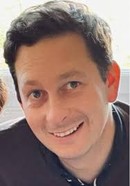
Julien Baruteau
Julien Baruteau
Julien Baruteau is a Clinician Scientist and Principal Research Fellow at UCL Great Ormond Street Institute of Child Health, and Consultant in Metabolic Medicine at Great Ormond Street Hospital for Children. His research focuses on inherited metabolic diseases, particularly urea cycle disorders and arginine/nitric oxide metabolism, with the aim of understanding disease mechanisms and developing innovative therapies. His group develops viral and non-viral gene therapies, including AAV, lentiviral vectors, mRNA lipid nanoparticles and exosome-based approaches, targeting the liver and central nervous system. Dr Baruteau has expertise in translation and is actively involved in first-in-human clinical trials of genetic therapies.

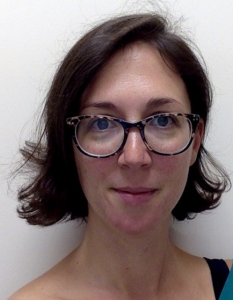
Noémie Hamilton
Noémie Hamilton
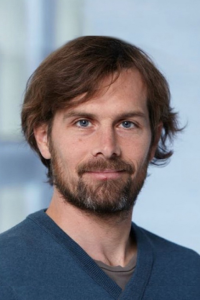
Gerald Schwank
Gerald Schwank
Gerald Schwank is Associate Professor at the Faculty of Medicine, University of Zurich, where his research focuses on developing next-generation genome editing technologies, including base editing and prime editing, for the treatment of inherited diseases. His group combines protein engineering, machine learning, and nucleic acid delivery with preclinical disease models to advance genome editing towards clinical application. Within POLARIS, his laboratory will contribute to the development of genome editing strategies for leukodystrophies through direct in vivo editing of glial cells in the central nervous system and genome editing of hematopoietic stem cells to enable long-term correction of microglia.

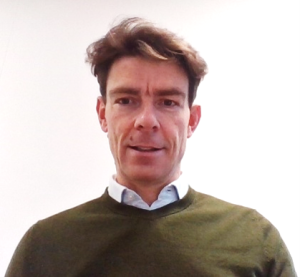
Maarten Loos
Maarten Loos
Maarten obtained his Master’s degree in Bioprocess Engineering at Wageningen University and a PhD degree in behavioural and molecular Neuroscience at the VU University Amsterdam. Hereafter he joined the company Sylics. As CSO, Maarten directed Sylics’ R&D team in the establishment of mouse models of CNS diseases and a suite of bioinformatics services, including cloud-based AHCODATM data analyses. He authored on >60 peer reviewed publications, and has a broad network in academia and pharma/biotech industry. In 2018 Maarten became the CEO of the Sylics, until its merge with InnoSer laboratories in 2023. Maarten contributes more than 15 years of experience in high quality preclinical in vivo neuroscience studies.
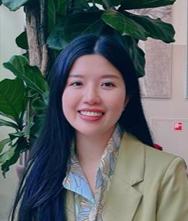
Ha Pham
Ha Pham
Ha obtained her Master’s degree in Neuropharmacology and a PhD degree in Neuropharmacology at University Paris-Sud/Paris-Saclay in France. Hereafter, she spent 3 years working in Immunology and Oncology field at the NKI in Amsterdam, Netherlands. Ha joined Sylics in 2022, which later became Innoser. Ha is currently working as Lead Scientist Neurology at Innoser, leading projects focused on in vivo rare disease models. Ha’s background has high diversity with profound knowledge in Neuroscience, Immunology, Cancer, Cell Biology and Pharmacology. The focus of her work is on data analysis including high-throughput behavioural and EEG data processing and project management.
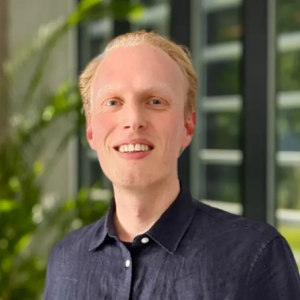
Thomas Vogels
Thomas Vogels
Thomas obtained his Bachelor’s degree in Psychology and his Master’s and PhD degrees in Neuroscience, focusing on Alzheimer’s disease. He has more than 10 years of industry experience in both clinical-stage biotechnology and the pharmaceutical industry, with a primary focus on neuroscience. His background also includes work in immunology, infectious disease, and formulation development. Thomas joined Sylics in 2021, which later became part of InnoSer, where he currently works as Principal Scientist. His focus is project management, while also contributing to project acquisition and the selection of in vivo disease models for characterization and service portfolio development.
Jana Selent
Jana Selent
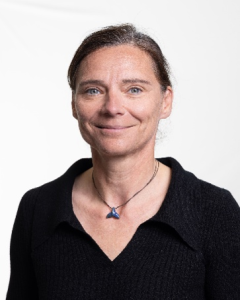
Jana Selent is a pharmacist and computational drug discovery scientist based in Barcelona. She leads the GPCR Drug Discovery Group at the Hospital del Mar Research Institute and teaches at Pompeu Fabra University. Her research focuses on the structure and function of G protein-coupled receptors (GPCRs), including receptor plasticity, ligand binding, biased signaling, membrane effects, and the translation of molecular insights into improved drug candidates. This work includes the study of GPRC5B, a membrane receptor implicated in megalencephalic leukoencephalopathy with subcortical cysts (MLC). Within the POLARIS network, Dr Selent investigates therapeutic strategies targeting GPRC5B using small molecules. Her approach combines three-dimensional computational modelling, virtual screening of large-scale chemical libraries, molecular dynamics simulations, analysis of ligand-binding events, and machine-learning methods to characterise protein dynamics and identify promising therapeutic candidates.
Raúl Estévez
Raúl Estévez
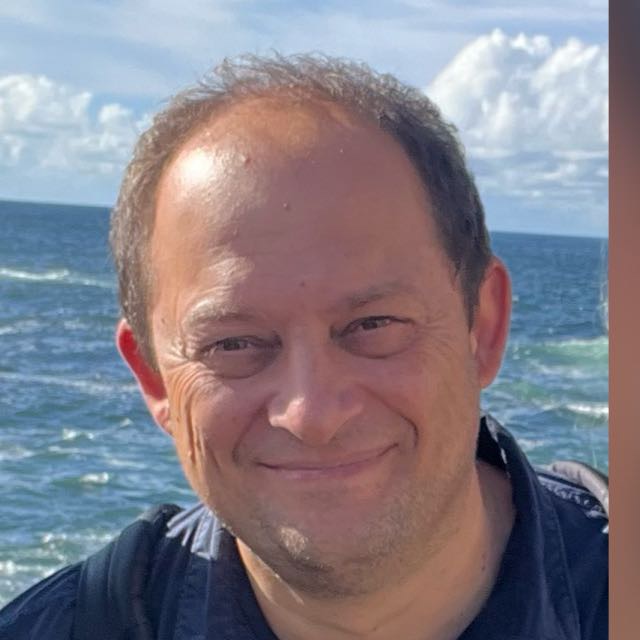
Raúl Estévez is Full Professor of Physiology at the University of Barcelona and group leader at IDIBELL and CIBERER. His research focuses on membrane proteins involved in rare neurological diseases, particularly ion channels, transporters, and GPCR-mediated signaling pathways. He has made key contributions to the understanding of megalencephalic leukoencephalopathy with subcortical cysts (MLC), including the discovery of GLIALCAM as a disease gene and the identification of novel molecular mechanisms regulating chloride channels. More recently, his work has revealed GPRC5B as a promising therapeutic target in MLC. Within the POLARIS network, Dr. Estévez leads studies aimed at understanding GPRC5B signaling and developing novel therapeutic strategies for rare neurodevelopmental disorders.
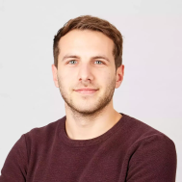
Timo De Groof
Timo De Groof
Timo De Groof graduated in Biochemistry and Biotechnology from the University of Ghent followed by a PhD in the Medicinal Chemistry group at VU University Amsterdam, developing nanobodies targeting viral G protein-coupled receptors and exploring their therapeutic and research applications. Since 2019, first as a postdoctoral researcher and now as a research professor, De Groof works at the Vrije Universiteit Brussel in the Molecular Imaging and Therapy group, researching diagnostic and therapeutic applications of nanobodies in different diseases settings. Within POLARIS, he contributes expertise in nanobody development, preclinical testing and clinical translation of nanobody-based drugs.
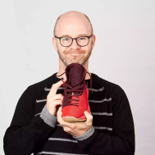
Nick Devoogdt
Nick Devoogdt
Nick Devoogdt earned his MSc in Molecular Biology from the Vrije Universiteit Brussel and a PhD in Applied Biological Sciences, studying cancer genetics and tumor immunology. After a year as visiting scientist at the National Cancer Institute in Bethesda, USA, he returned to VUB for postdoctoral training in cellular immunology, antibody engineering, and molecular imaging. He became assistant professor in 2013, tenure-track full professor in 2016, and Head of the MITH Large Research Group in 2023. His research focuses on camelid single-domain antibody probe development for imaging and targeted therapies across oncology, immunology, cardiovascular disease, inflammation, and diabetes.
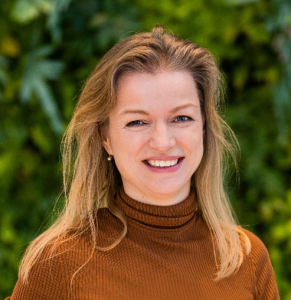
Marjon Pasmooij
Marjon Pasmooij
Marjon Pasmooij is a regulatory scientist and Head of the Science Department at the Dutch Medicines Evaluation Board (MEB), and Associate Professor of Drug Regulatory Science at Utrecht University. Trained in cell biology, she completed her PhD on a rare genetic skin disease. Her current work focuses on advancing regulatory science and supporting the translation of innovative therapies, particularly for rare diseases. She coordinates the regulatory science activities of the MEB and contributes to national and European regulatory science networks. Within POLARIS, she contributes expertise in regulatory science, rare disease drug development, regulatory pathways and translational strategy.